Macun Waterprobe Monitoring (update 30.06.2026 - 22:43)

Temperature
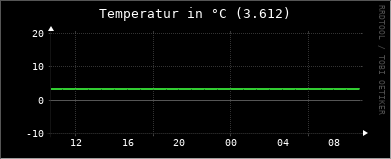
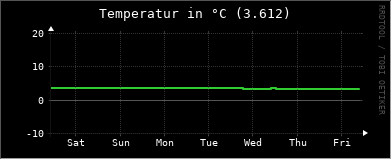
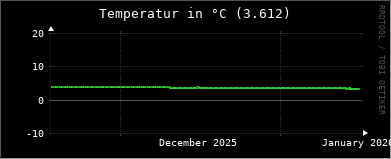
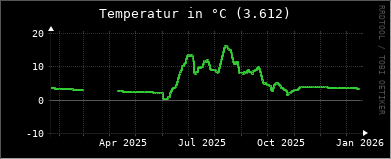
One of the most important measures for looking at long-term trends and peaks associated with environmental change. Alpine systems are being most affected by climate change and temperature is the parameter most used to examine this change. Glacier waters tend to have low temperatures (<10°C), but can be higher when streams are influenced by lakes (lakes absorb solar energy causing higher temperatures that are translated to outlet streams). Most aquatic organisms are exotherms and reliant on the thermal properties of water, esp. endemic and glacial water specialists.
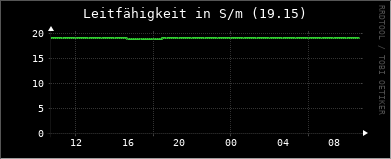
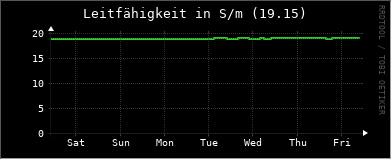
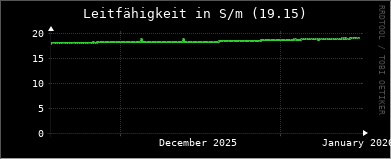
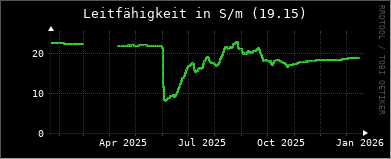
Conductivity
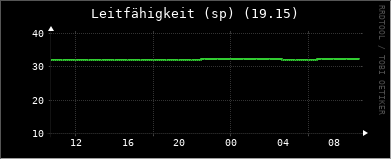
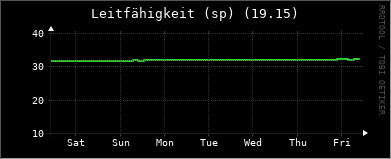
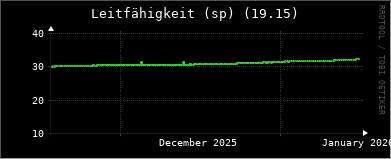
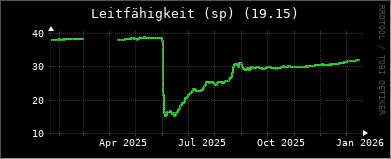
This measures the ionic potential of surface waters in relation to local geology. Values typically increase with anthropogenic inputs (livestock grazing, agricultural inputs, etc.). Low background values are associated with gneiss geology and are higher in dolomite regions. Groundwaters reflect local geologies, whereas glacial-water signatures are present because of the atmospheric origin of precipitation that feeds glaciers. Values provide a good indication of the buffering capacity of waters to acidic precipitation.
Salanity
Salanity is a measure of the salt content in waters. Nutrient salts are important in the physiology of many aquatic organisms (Mg, K, N, P). In access, saline waters are toxic to freshwater organisms and be an indicator of anthropogenic impacts (water abstraction, irrigation). The salanity in alpine waters is generally low and may limit the kinds of organisms we find in these waters.
pH
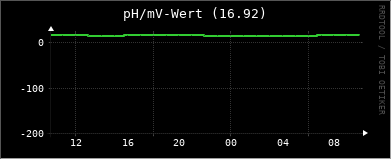
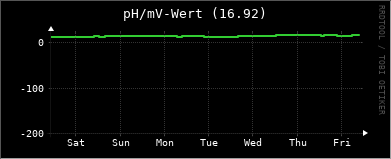
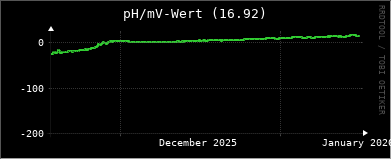
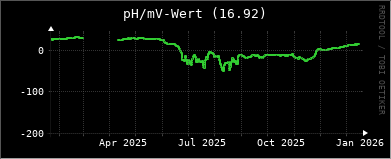
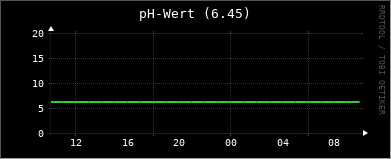
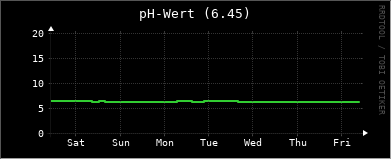
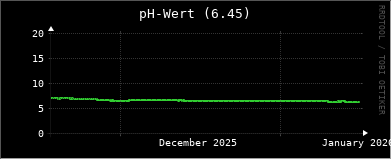
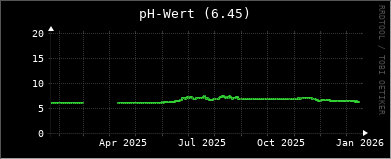
The pH measures the acidity of waters. Neutral waters have pH ca. 7.0 with waters less than 7.0 being acidic and those greater than 7.0 being basic. Waters with poor buffering capacity can experience highly acidic conditions (pH’s around 5.0; some lakes in Sweden have waters <5.0). The Macun waters were slightly acidic in earlier years (pH around 6.0), but have increased in the last decades to more neutral waters (mostly related to the loss of glacial influence and less anthropogenic deposition of nitrogen). The pH in waters flowing in dolomite geology tend to be basic and have greater buffering capacity than those in gneiss landscapes.
ODO
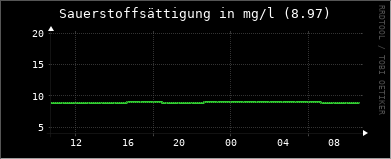
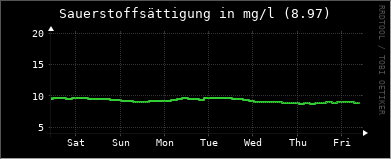
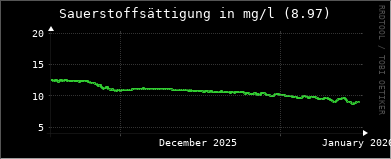
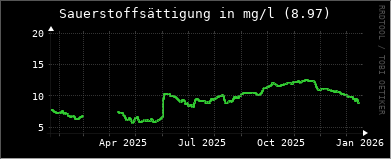
This is a measure of the dissolved oxygen in the waters. Most alpine waters are 100% oxygen saturated. DO values fluctuate during the day because of algal production (increasing oxygen levels) during daylight being replaced by heterotrophic (microbe respiration) activities during night. The amplitude is related to the level of primary production. Highly turbulent waters can experience oxygen supersaturation (>100%) due to mixing with the atmosphere. Organically rich waters can experience oxygen depletion as microbes consume and breakdown organic matter. Most aquatic insects require oxygen rich waters to survive.
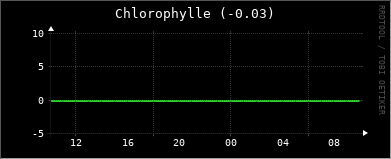
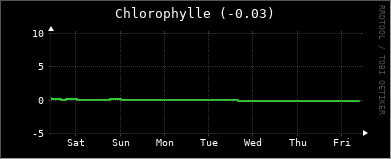
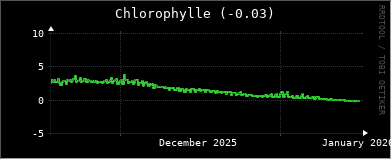
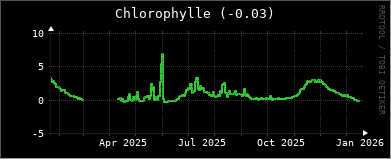
Chlorophyll
The measure gives us an indication of the primary production occurring in the system. Chlorophyll is a pigment produced by plants (algae and macroiphytes in waters). The sunlight hitting the surface waters of Macun provide light for photosynthesis. If other factors are not limiting, primary production can reach rather high levels in alpine streams. This produces the slimy stuff on the stone surfaces and the green color of productive lakes. The waters of Macun are relatively nutrient poor, thus most algae consist of diatoms. The filamentous gold alga Hydrurus foetidus can attain high levels in glacial-fed streams when light conditions are optimal.
fDOM
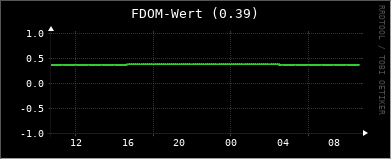
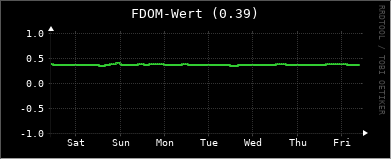
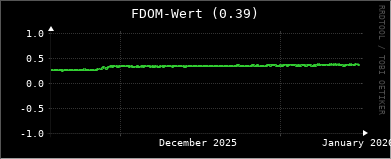
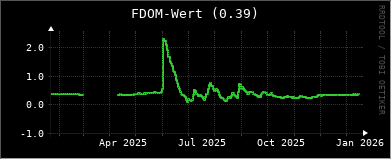
The measures the dissolved organic matter in waters. DOM is derived from groundwater inputs into surface waters and gives an indication of soil development. DOM in most alpine waters is quite low, but can increase with anthropogenic impacts such as from livestock grazing. DOM also may increase as glaciers recede and contribute organic matter to receiving waters. Lastly, DOM is a component of organic matter breakdown, leaching from the processing of dead organic matter in surface waters (e.g., from senescent biofilms). Waters draining peat areas tend to have high DOM with high levels of tannins and humic acid substances, giving the water a brown or black color.